
Introducing The Learning Series of Prototyping Bioregional Financing Facilities in Europe


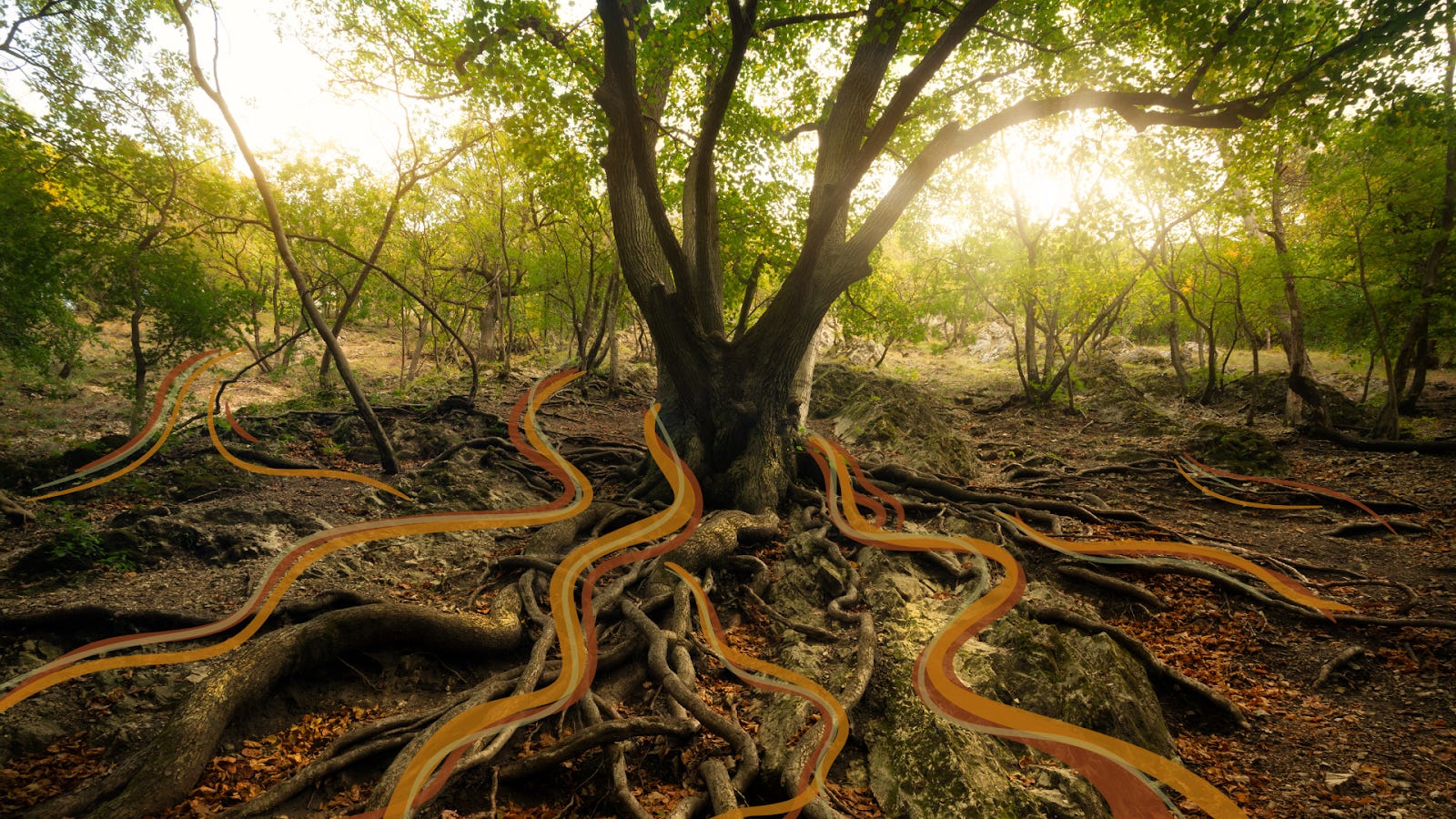
This article is the first edition of a new Substack series dedicated to sharing The Learning Series of Prototyping Bioregional Financing Facilities in Europe, by the BWL (Bioregional Weaving Labs) Collective and partners. It will act as a living, recurring narrative, following how prototype projects in different bioregions in Europe move through different phases of development, while serving as both a tracker of progress as well as a space for storytelling and exchanging knowledge.
The journey will unfold across various dimensions including:
Exploring what a BFF is and how it works
Sharing details of the bioregional prototypes with their maps, emerging portfolios of systemic innovations, identified opportunities and challenges
Tracing the early development of BFFs within the BWL Collective with roles, workstreams, aims, and objectives
Highlighting pilots and experiments across the partnership and the regions, including the weaving of systemic portfolios, developing collective governance models, designing the legal set-up of BFFs, and the formation of poly-capital communities
Answering deeper discovery questions to test our assumptions, together with our Sounding Board groups
Sharing challenges and celebrating successes along this journey
Documenting emerging partnerships, guiding learning questions, and early commitments
Stories will hopefully feature tangible outcomes, case studies from local actors, and insights for replication in other bioregions.
The Urgency for bioregional financing
Across Europe and beyond, the urgency to regenerate landscapes and communities is becoming impossible to ignore. Climate instability, biodiversity loss, and social inequalities are converging in ways that threaten the resilience of the very places we depend on. At the same time, billions in capital continue to flow into short-term, extractive models that undermine rather than restore life.

Restoring a wetland or regenerating farmlands takes decades, not funding terms of two to three years. A river runs across many communities, not just one project site. Finance must therefore be long-term and place-based, supporting the interconnections in ecosystems rather than isolated interventions. If regeneration is to take root, we need financing mechanisms that match the local region, the landscape scale, and the long timelines that ecosystems need to regenerate.
This is where bioregional financing comes in. Instead of scattering funds across disconnected projects, it grounds investment in the living foundations of places: at the scale of soils, watersheds, and communities. By working at this scale, capital can align with the long-term health of regions and create conditions where ecosystems and economies thrive together.
Exciting news:
On March 10, 2025, Commonland, Ashoka, The Weaving Lab, and WireGroup have established the ResiliAnce partnership, “where finance and resilience meet”. Together with local BWL partners we are prototyping Bioregional Financing Facilities (BFFs) in three European bioregions: The Delta (the Netherlands), Altiplano Estepario (Spain), and Le Bocage ornais (France).
This is a vital and ambitious step in systems transformation toward accelerating regeneration across Europe. By designing financing mechanisms at the bioregional scale, this partnership seeks to transform how regenerative initiatives are supported and sustained.
What do we mean by bioregions?
Bioregions are defined beyond geographic maps. They are living systems shaped by natural boundaries such as watersheds, soils, climate patterns, and ecosystems. They are also shaped by the people, cultures, and histories that have co-evolved with these landscapes.
Unlike political or administrative borders, bioregions reflect the interdependence of ecological and social systems. For example, a river basin is not only a hydrological unit, it is also home to farming practices, communities, and species whose futures are deeply interconnected. Regeneration only makes sense at this scale, the scale of life itself.
What are Bioregional Financing Facilities (and why do they matter)?

Image credit: BioFi Project. Retrieved from https://www.biofi.earth/what-is-a-bff.” We are inspired by the book ‘Bioregional Financing Facilities’, written by Samantha Power and Leon Seefeld (visit: https://www.biofi.earth) for a free download of this e-book.
At their core, BFFs are locally governed financial structures that blend different sources of capital: philanthropic, public, private, and institutional. They are designed to move away from fragmented, short-term project funding and toward long-term, holistic mechanisms that enable entire landscapes and communities to thrive.
In the BWL Collective we bring three essential approaches together; bioregioning, weaving and holistic landscape restoration. In upcoming articles we will dive deeper into these concepts, and especially how we use weaving to help orchestrate the work bottom-up and top-down, and to connect the two worlds. We are inspired by the 4R Framework, to work towards resilient bioregions and communities that can generate Four Returns:
🌱 Natural: restoring ecosystems and biodiversity
🤝 Social: strengthening communities and livelihoods
💰 Financial: supporting sustainable local economies
✨ Inspirational: renewing hope and cultural connection
Current funding approaches often fall short. They are scattered, time-limited, and rarely match the scale of ecological and social challenges. BFFs are different because their ability to invest at scale depends on weaving bioregional portfolios of projects, initiatives, and businesses that work together to create holistic impact and contribute to systemic transformations in a region. Without these integrated portfolios, a BFF cannot channel capital effectively or sustain investment at scale. By anchoring finance at the level of living systems, BFFs aim for capital to flow into the long-term health and regeneration of places, rather than isolated initiatives.
Looking ahead
Over the coming months, this Substack will share stories from the prototypes, insights from our partners, and reflections on what it takes to design financing mechanisms for regeneration. Readers will have the chance to learn alongside us as we explore what it means to fund life at the scale of bioregions.
What’s next
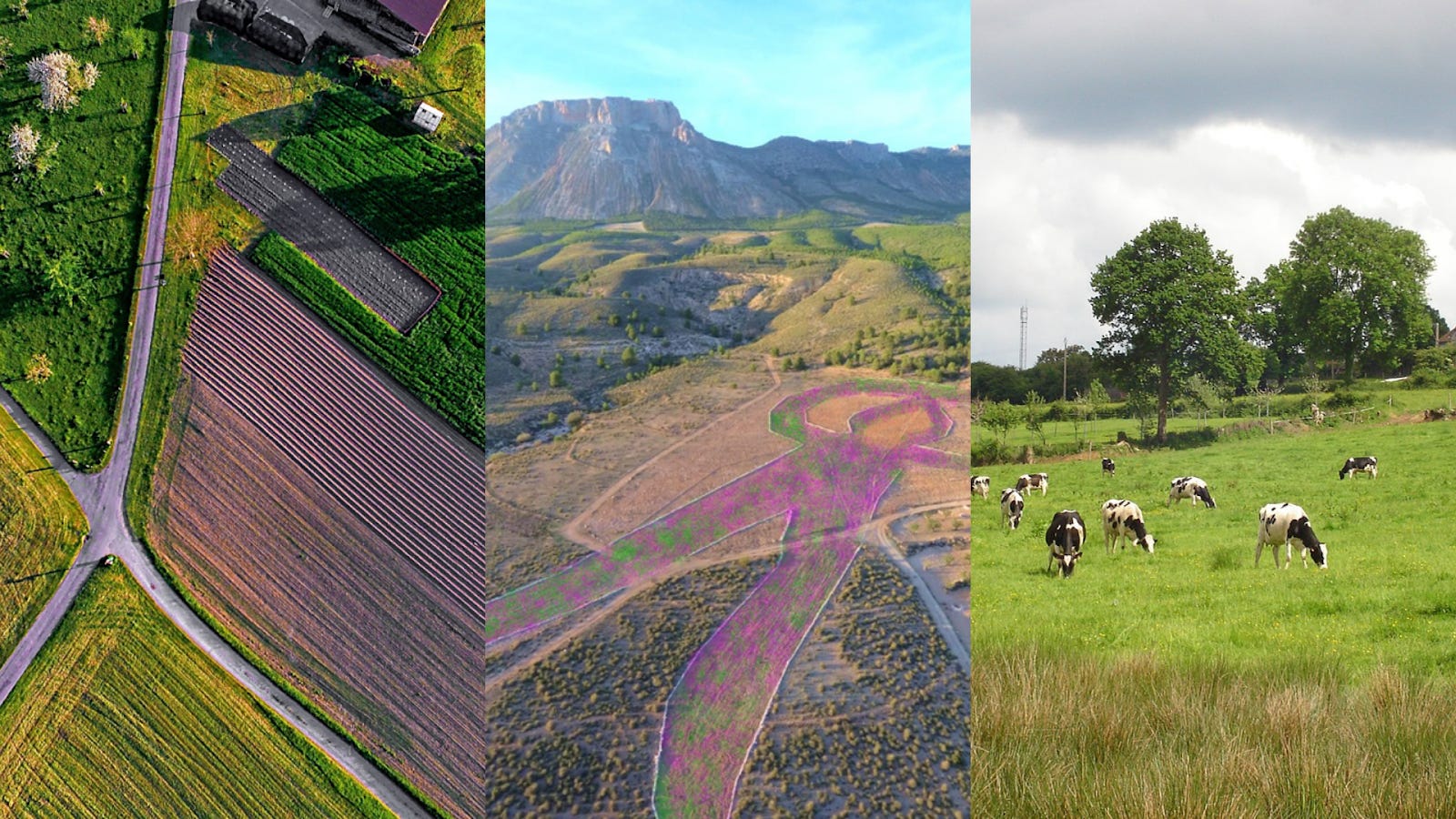
The first BFF prototypes are being co-created in bioregions in the Netherlands, Spain, and France. Each facility aims to secure a minimum of €5 million in seed funding, with the potential to grow to €50 million or more per bioregional portfolio. Beyond mobilising and blending various forms of capital, these prototypes aim to:
Build locally owned governance models that keep decision-making and resource allocation rooted in place
Demonstrate how blended finance can serve regenerative economies and create resilient communities and landscapes
Document best practices that broaden the concept of value to include cultural, environmental, social and intangible benefits
Generate practical lessons for scaling bioregional financing across Europe and beyond
Invitation: reach out with your questions & ideas, share your own learnings & cases, or connect us with others who should be part of this prototyping journey.
 | A guest post by
|
So lovely to read!
Very interested in the French project since I'm based in France and want to also test this approach in the future. Do you know if they're open to being contacted/visited?
This is awesome. We are starting a Bio-regional Learning Center Academy in the Sierra Mountains near Lake Tahoe, CA, USA. I will be following this thread... Thank you.